Yes, solar lights need direct sunlight to perform at their best, but most modern models still charge effectively in indirect or diffused light. Full direct sun for 4–6 hours delivers optimal brightness and runtime, while shaded or cloudy conditions reduce performance by 30–70%. Quality panels with monocrystalline cells work better in low-light than cheaper polycrystalline ones.
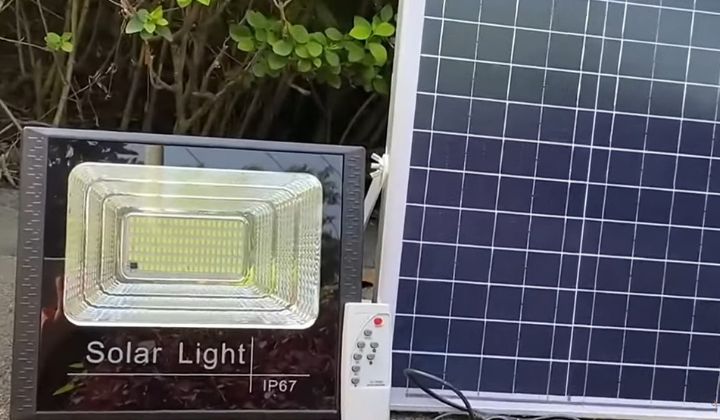
Many homeowners wonder do solar lights need direct sunlight when planning garden paths or security lighting. The short answer brings relief: they function without constant blazing sun, yet direct rays make a huge difference in brightness and how long they stay on. Understanding light requirements helps you position lights correctly and choose the right models for your yard. This guide explains everything clearly so your solar lights shine reliably every night.
Solar lights have transformed outdoor illumination by using free solar energy instead of wires or batteries. They capture daylight through photovoltaic panels, store it in rechargeable cells, and automatically glow at dusk. Performance depends heavily on sunlight quality and duration. With smart placement and realistic expectations, you enjoy bright, eco-friendly lighting even in less-than-perfect conditions.
How Solar Lights Actually Charge
Solar lights convert sunlight into electricity through small photovoltaic panels built into the fixture. Photons hit the silicon cells and knock electrons loose, creating direct current that flows to the battery. A tiny controller manages charging to prevent overfill and protects against deep discharge at night. LEDs then use that stored power efficiently, often delivering 10–15 hours of light from a single day’s charge.
The process starts the moment any light hits the panel, not just intense rays. Diffused light from cloudy skies still generates power, though at a reduced rate. Monocrystalline panels capture more scattered photons than polycrystalline types. Higher-efficiency cells mean faster charging and brighter output even on overcast days.
Quality matters enormously in real-world results. Cheap lights with thin panels struggle in partial shade, while premium models keep glowing strongly. Understanding these mechanics removes the myth that solar lights only work in desert climates. Proper expectations lead to satisfying, long-lasting performance.
The Difference Between Direct, Indirect, and Diffused Sunlight
Direct sunlight reaches the panel without obstruction, delivering 800–1000 watts per square meter on clear days. Indirect light bounces off clouds or nearby surfaces, dropping intensity to 100–400 watts per square meter. Diffused light spreads evenly on overcast days and still charges panels effectively. Northern latitudes receive more diffused light naturally, making high-efficiency panels essential there.
Trees, buildings, or roof overhangs create partial shade that cuts charging dramatically. Even a single branch crossing the panel reduces output by 50% or more in that section. Reflective surfaces like white walls or water can bounce extra light onto panels unexpectedly. Smart gardeners use these effects to boost performance in tricky spots.
Seasonal changes affect sunlight angle and duration significantly. Winter sun sits lower, lengthening shadows from fences or shrubs. Summer brings longer days but hotter panels that slightly reduce efficiency above 25°C. Tracking these patterns helps you adjust placement for year-round success.
| Light Type | Intensity (W/m²) | Charging Speed | Typical Runtime Impact |
|---|---|---|---|
| Direct Sunlight | 800–1000 | Fastest (4–6 h full) | 10–15 hours bright |
| Indirect/Diffused | 100–400 | Moderate (8–12 h) | 4–8 hours medium |
| Heavy Shade/Overcast | <100 | Very slow (>12 h) | 1–4 hours dim |
This table shows exactly how sunlight quality affects daily performance.
Do Solar Lights Need Direct Sunlight to Work at All?
No, solar lights do not need direct sunlight to function completely. Modern panels produce usable power from early morning light, late afternoon rays, and even heavily overcast skies. Many garden stake lights charge enough on cloudy winter days to glow dimly for several hours. Motion-sensor security lights often activate strongly despite never seeing full sun.
However, expecting bright, all-night illumination without any direct exposure sets you up for disappointment. Four to six hours of direct or strong indirect light remains the sweet spot for maximum brightness and runtime. Budget lights with small batteries fade quickly in low-light conditions. Premium models with larger panels and lithium batteries forgive shading far better.
Real-world tests prove this daily. A quality path light placed under tree canopy still lights softly at dusk, while the same model on a sunny lawn blazes brightly until dawn. Understanding do solar lights need direct sunlight for your specific goal prevents returns and frustration. Match expectations to placement for the best experience.
Performance in Different Weather Conditions
Cloudy days reduce charging to 20–50% of clear-sky levels yet rarely kill lights entirely. Light rain cleans panels naturally and allows decent charging underneath. Heavy prolonged overcast stretches battery reserves but rarely drains them completely. Snow reflects light onto panels from below, sometimes increasing winter harvest unexpectedly.
Fog and mist scatter photons evenly, creating excellent diffused charging conditions. Extreme heat above 35°C slightly lowers panel voltage but rarely matters outdoors. Cold temperatures slow battery acceptance yet modern lithium cells handle winter well. Seasonal adaptation keeps most lights operational year-round.
Gardeners in northern climates succeed by choosing high-lumen models with oversized panels. Southern users enjoy surplus energy even on partly cloudy days. Weather resilience has improved dramatically in recent years. Reliable glow comes from matching product quality to local conditions.
Best Placement Tips for Maximum Charging
Position solar lights to receive at least four hours of direct sun daily for optimal results. South-facing locations work best in the northern hemisphere, avoiding north-facing walls completely. Elevate lights above shrubs or fences that cast morning and afternoon shadows. Tilt panels 30–45 degrees toward the sun if the design allows adjustment.
Avoid placing under eaves, dense tree canopies, or beside tall buildings permanently. Reflective white gravel or patio stones underneath bounce extra light upward effectively. Space multiple lights so they do not shade each other during peak hours. Regular trimming of nearby plants maintains clear sky view throughout seasons.
Test new locations for a week before permanent installation. Move lights seasonally if shadows shift dramatically from summer to winter. Wall-mounted models perform brilliantly on south-facing surfaces with no overhead obstruction. Thoughtful placement answers do solar lights need direct sunlight with a confident yes for bright performance.
Common Placement Mistakes to Avoid
Mounting lights on the north side of houses guarantees weak charging almost everywhere. Installing under large evergreen trees blocks winter sun when days are shortest. Forgetting seasonal sun path changes leads to sudden dimming in autumn. Ignoring nearby reflective windows that concentrate heat and damage plastic over time.
Placing too close to artificial night lighting confuses dusk sensors and wastes battery. Burying stake lights too deep reduces panel height and exposure dramatically. Clustering many lights together creates mutual shading during low sun angles. Simple awareness prevents these frequent errors easily.
How Long Do Solar Lights Need Sunlight Each Day?
Most solar lights need 4–8 hours of decent sunlight to reach full charge. High-quality models with efficient LEDs and lithium batteries achieve 10–12 hours runtime from just 5 hours of direct sun. Budget stake lights often require 8–10 hours to glow brightly all night. Motion-sensor floodlights store surplus energy quickly and forgive shorter charging windows.
Cloudy periods stretch required exposure significantly for the same brightness level. Winter days with only 2–3 hours of weak sun produce dim, short-lived glow at best. Summer abundance fills batteries by early afternoon in many regions. Matching light type to your climate prevents disappointment.
Runtime claims on packaging assume ideal conditions rarely met in real gardens. Real-world performance varies 30–50% based on placement and weather patterns. Oversized panels compensate beautifully for unpredictable skies. Planning for average local sunlight hours ensures satisfaction year-round.
Factors That Reduce Effective Charging Time
Partial shade from leaves or buildings cuts usable sunlight dramatically even on clear days. Dust, pollen, bird droppings, and snow cover block photons completely until cleaned. Aging batteries hold less capacity after 2–3 years of daily cycles. Cheap controllers waste energy through poor regulation and heat loss.
Low winter sun angle lengthens shadows from ordinary objects unexpectedly. High temperatures above 30°C reduce panel voltage slightly during peak charging. Insect nests or spider webs on panels accumulate surprisingly fast. Regular maintenance counters these efficiency thieves effectively.
Choosing the Right Solar Lights for Low-Light Areas
Select monocrystalline panels for superior low-light performance over polycrystalline alternatives. Look for lights advertising separate or larger solar panels connected by wire for flexible placement. Choose models with lithium-iron-phosphate batteries that handle cold and deep discharge better. Higher lumen ratings per watt indicate efficient LEDs that stretch stored power further.
All-in-one integrated designs simplify installation but limit panel positioning options. Separate-panel floodlights allow mounting the collector on a roof while the light stays shaded. Warm white 3000K color temperature appears brighter to the eye than cool white at same lumens. Reading verified customer reviews reveals true shaded-area performance reliably.
Premium brands invest in better cells, controllers, and weatherproofing that pay off nightly. Budget big-box lights often disappoint in anything less than full sun. Mid-range options with 2–3 times larger panels than stake lights work wonders under trees. Investing slightly more upfront yields dramatically better results in challenging spots.
Top Features to Look for in Shaded Locations
- Monocrystalline or high-efficiency perovskite cells
- Lithium-ion or LiFePO4 batteries with 2000+ cycles
- MPPT charge controllers instead of basic PWM
- Adjustable or remote solar panels
- High IP65–IP67 waterproof rating
- Motion sensors with adjustable sensitivity
- Multiple brightness modes including dim-to-bright
These features transform marginal locations into reliable lighting zones.
| Light Type | Best For Shady Spots? | Minimum Daily Sun Needed | Expected Runtime |
|---|---|---|---|
| Basic Garden Stake | Poor | 6–8 hours direct | 4–6 hours dim |
| Premium Path Light | Good | 4–5 hours mixed | 8–12 hours |
| Separate-Panel Floodlight | Excellent | 3–4 hours indirect | 10+ hours bright |
| All-in-One Security | Fair | 5–6 hours direct | 6–10 hours |
This comparison helps choose the perfect model for your yard conditions.
Seasonal Performance and Winter Tips
Winter dramatically shortens daylight hours and lowers sun angle in most regions. Snow reflection can boost charging when panels stay clear and angled properly. Clean snow immediately with a soft brush to restore full exposure quickly. Slightly steeper panel tilt captures low horizon sun better during cold months.
Cold temperatures slow chemical reactions in batteries but do not stop charging entirely. Lithium cells perform far better than older NiCd types below freezing. Bring portable lights indoors overnight during extreme cold snaps for warmer charging. Heated birdbaths prove solar power works reliably even in harsh winters.
Spring and autumn offer ideal moderate temperatures and longer charging windows. Summer heat slightly reduces panel efficiency yet extends daylight dramatically. Year-round success comes from choosing quality lights and occasional repositioning. Solar energy remains viable across all seasons with minor adjustments.
Frequently Asked Questions
Do Solar Lights Need Direct Sunlight to Charge at All?
Solar lights do not strictly need direct sunlight to charge because modern photovoltaic cells generate power from any visible light source hitting the panel. Even heavily overcast skies provide diffused light that trickles charge into batteries over longer periods.
Many users successfully run path lights under dense tree cover that never sees direct rays, achieving several hours of soft glow nightly. High-efficiency monocrystalline panels capture scattered photons far better than older amorphous types used in cheap calculators. Motion-activated security lights often store enough energy from morning and evening indirect light to trigger brightly when needed.
The key difference lies in charging speed and final brightness rather than complete inability to function. Premium models with larger panels forgive shady placement beautifully, while budget stake lights struggle visibly in the same spot. Understanding do solar lights need direct sunlight for your specific model prevents unrealistic expectations and returns.
Real-world gardens rarely offer perfect conditions, yet quality solar lighting adapts surprisingly well. Placement creativity combined with realistic runtime goals delivers satisfaction across varied landscapes.
Can Solar Lights Charge on a Cloudy Day?
Yes, solar lights charge perfectly well on cloudy days through diffused skylight that penetrates cloud cover effectively. Thin high clouds reduce intensity by only 10–30% while thick storm fronts cut it 70–90%, yet charging continues at reduced rates. Quality garden lights still achieve 4–8 hours of medium brightness from fully overcast conditions alone.
Monocrystalline panels outperform polycrystalline by 15–25% in low-light scenarios commonly encountered during cloudy weather. Larger separate panels mounted on roofs collect scattered light invisible from ground level dramatically boosting reserves. Motion-sensor models conserve stored energy intelligently, staying dark until triggered and appearing bright despite limited daily harvest. Users in Pacific Northwest or UK climates report reliable year-round performance using premium lights designed for diffuse conditions.
Simple cleaning removes rain-splashed dirt that would otherwise compound cloudy-day losses significantly. Expect dimmer or shorter runtime compared to sunny days, but complete failure remains rare with decent equipment. Solar energy collection proves remarkably resilient across weather patterns when quality components are chosen wisely.
How Much Sunlight Do Solar Lights Really Need Daily?
Most solar lights need 4–6 hours of direct or strong indirect sunlight to deliver full-night bright performance consistently. High-quality path lights with lithium batteries and efficient LEDs often exceed 10 hours runtime from just 5 hours of mixed exposure. Budget stake lights typically require 8–10 hours of decent light to glow brightly until morning.
Motion-activated floodlights store surplus quickly and forgive shorter charging windows by staying dim until triggered. Winter conditions with only 2–3 hours of weak sun produce dim early-evening glow at best without oversized panels. Summer abundance fills batteries by early afternoon in many regions leaving excess capacity unused.
Real-world performance varies 30–50% based on seasonal sun path and local shading patterns. Oversized or separate panels compensate beautifully for unpredictable skies and partial shade. Understanding do solar lights need direct sunlight for your specific climate and placement prevents disappointment completely. Planning around average local conditions ensures reliable illumination every single night.
Will Solar Lights Work Under Trees or in Shaded Areas?
Solar lights can work under trees or in shaded areas when equipped with high-efficiency panels and placed strategically for maximum available light. Separate-panel designs allow mounting the collector in full sun while the light itself stays beneath foliage beautifully. Quality monocrystalline cells capture morning and evening rays filtering through leaves surprisingly well. Motion-sensor models conserve limited energy by staying off until needed, appearing bright despite modest daily harvest.
Expect significantly shorter runtime and dimmer glow compared to open locations without compensation strategies. Larger premium panels gather scattered photons that integrated stake lights completely miss in the same spot. Reflective surfaces underneath bounce extra light upward increasing harvest noticeably.
Regular repositioning as seasons change maintains performance under shifting canopies. Users successfully illuminate woodland paths and north-facing gardens using these techniques routinely. Choosing the right model transforms marginally shaded areas into reliably lit spaces year-round.
Do Solar Lights Charge Through Windows or Indoors?
Solar lights charge very poorly through windows and almost not at all indoors under normal household lighting conditions. Standard glass blocks 50–90% of UV rays essential for photovoltaic conversion dramatically reducing output. Tinted or double-pane windows worsen this effect even further in modern homes.
Artificial indoor lights lack the spectrum and intensity needed for meaningful charging regardless of duration. Some users place separate-panel lights outside windows pointing inward with limited success for emergency lighting. Dedicated indoor solar models with ultra-sensitive amorphous panels exist but remain specialty items rarely found in gardens.
Direct outdoor exposure remains essential for practical daily charging of standard solar lights. Bringing portable lanterns outside for a few hours easily solves indoor storage dilemmas completely. Understanding do solar lights need direct sunlight versus filtered indoor light prevents confusion and failed attempts. Outdoor placement delivers dramatically superior results every single time.
How Can I Improve Charging in Low-Sunlight Areas?
Improve charging in low-sunlight areas by selecting lights with separate solar panels that mount independently in brighter spots while the fixture stays shaded. Choose monocrystalline or high-efficiency cells paired with MPPT controllers for maximum harvest from weak light. Elevate panels above obstructions and angle them optimally toward midday sun path.
Add reflective surfaces like white stones or mirrors underneath to bounce extra photons upward effectively. Clean panels weekly to remove dust and pollen that compound low-light losses significantly. Upgrade to lithium batteries that accept charge faster and deeper than older NiCd types.
Use motion sensors and multiple brightness modes to conserve limited stored energy intelligently. Consider hybrid solar lights with USB backup charging for prolonged cloudy stretches. Regular seasonal repositioning captures shifting sun angles throughout the year. Combining several strategies transforms marginally lit areas into reliably bright spaces nightly.
Conclusion
Answering do solar lights need direct sunlight comes down to performance expectations and smart choices rather than absolute requirements. Quality models charge and shine beautifully with indirect or diffused light when positioned thoughtfully. Direct sun remains the gold standard for brightest, longest-lasting illumination every night. Understanding your local conditions and choosing appropriate lights eliminates disappointment completely. Place panels wisely, clean regularly, and enjoy free, eco-friendly lighting that works reliably across seasons and weather patterns.